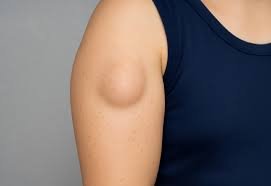
A lipoma is a common, benign (non‑cancerous) growth made up of fat cells. It usually appears as a soft, slow‑growing lump under the skin. Lipomas are generally harmless and painless, but they can sometimes cause discomfort, cosmetic concern, or functional issues depending on their size and location.
Lipomas can occur at any age but are most commonly seen in middle‑aged adults. They may appear anywhere on the body where fat tissue is present, especially the neck, shoulders, back, arms, thighs, and abdomen.
A typical lipoma has the following features:
Soft and doughy to the touch
Moves easily under the skin when pressed
Usually painless
Grows slowly over months or years
Size may range from a few millimetres to several centimetres
If a lump is hard, fixed, rapidly growing, or painful, medical evaluation is essential to rule out other conditions.
The exact cause of lipoma is not fully understood. However, several factors are believed to play a role:
Lipomas often run in families. If close relatives have lipomas, the risk is higher.
Disturbances in fat metabolism may contribute to abnormal fat accumulation.
In some cases, lipomas develop after a physical injury or blunt trauma, although this link is not always clear.
Hormonal changes, particularly during middle age, may contribute to the development of lipomas.
Sedentary lifestyle
Poor dietary habits
Obesity (although lipomas can occur in thin individuals as well)
Lipomas are classified based on their composition and location:
Most common type
Composed of mature fat cells
Usually soft and painless
Contains fat and fibrous tissue
Feels firmer than a simple lipoma
Contains fat and blood vessels
Often painful or tender
Commonly seen in young adults
Rare type
Occurs mostly in men
Commonly found on the neck, shoulders, or back
Rare
Usually seen in older adults
Appears around the neck and upper back
Grows within muscle tissue
May cause pain or movement restriction
Higher chance of recurrence
Diagnosis is usually clinical, based on physical examination. In some cases, the following tests may be advised:
Ultrasound – to assess size and depth
MRI or CT scan – for deep or large lipomas
Biopsy – if diagnosis is uncertain or malignancy needs to be ruled out
In conventional medicine, treatment is usually not required unless the lipoma:
Is painful
Grows rapidly
Restricts movement
Causes cosmetic concern
Treatment options include:
Surgical excision
Liposuction (for selected cases)
However, surgery may leave scars, and recurrence is possible.
Homeopathy approaches lipoma as a manifestation of internal imbalance rather than a purely local problem. Treatment is individualized, based on the patient’s overall constitution, symptoms, and tendencies.
Homeopathic medicines aim to:
Support the body’s self‑healing ability
Improve fat metabolism
Reduce the tendency for abnormal growths
Prevent recurrence
For individuals who tend to gain weight easily
Slow metabolism, fatigue
Lipomas with general obesity
One of the most commonly used remedies for benign growths
Suitable for multiple lipomas
History of suppressed skin conditions or vaccinations
Lipomas associated with glandular involvement
Often useful in older individuals
Hard or deep‑seated lipomas
Poor immunity, slow healing tendency
Painful or tender fatty lumps
Associated with glandular pain
For recurrent lipomas
Heat intolerance, skin issues
Useful as a constitutional remedy
While medicines are important, supportive measures help improve outcomes:
Light, easily digestible food
Reduce oily, fried, and processed foods
Increase the consumption of fresh vegetables and fruits
Adequate hydration
Regular physical activity
Weight management
Stress reduction
Adequate sleep
Lipomas are common, benign fatty growths that usually do not pose serious health risks. Understanding their causes and types helps in early identification and proper management. Homeopathy offers an individualized, holistic approach that may help in managing lipomas and reducing recurrence, especially when combined with healthy lifestyle practices.
Mr. Sandeep Kumar is a qualified homeopath registered with AROH (Australian Register of Homeopaths). Our website does not advise using any prevalent homeopathic medications through online homeopathic portals including S.K. Homeopathy without prescription or dispensing by a qualified practitioner. This website's content does not substitute for direct, personal, professional medical care and diagnosis.